Dengfeng beyond Shaolin: Gaocheng Observatory and Zhongyue Temple in one day
Pair an extraordinary surviving astronomical structure with a temple organized around a long sacred approach. This selective Dengfeng day explains what to see at Gaocheng, how the shadow-measuring apparatus differs from a modern observatory, and how to follow Zhongyue’s gates and courts without trying to collect every UNESCO component.
A serial heritage property needs a selective day
Dengfeng (登封), in Henan, is the base for the UNESCO property called Historic Monuments of Dengfeng in ‘The Centre of Heaven and Earth’. It is a dispersed series, not a single enclosed attraction. The observatory, temples, academy, pagoda and monumental gates address different kinds of authority and knowledge. This route deliberately pairs the observatory at Gaocheng with Zhongyue Temple: an instrument-and-measurement visit followed by a sacred architectural sequence. Neither stop requires you to turn the day into a summit hike.
Choose this pairing if you want to understand something beyond the region's better-known Shaolin associations. It works especially well for visitors interested in the history of science, architecture or belief. If Shaolin Temple or a strenuous Songshan mountain route is your main purpose, give that purpose its own time. Adding it automatically after these two stops makes three separate experiences compete for the same afternoon. A UNESCO component map is useful for recognizing the spread, but it is not a transport timetable or a combined ticket.
Use Gaocheng and Zhongyue Temple as exact transport destinations
Save these names before departure: Gaocheng Observatory, Guanxingtai (观星台), in Gaocheng Town (告成镇); Zhongyue Temple, Zhongyue Miao (中岳庙); and Dengfeng city. Give a provider the named attraction entrance, not merely Songshan or the centre of heaven and earth. The observatory is a separate component southeast of the main city area. Agree the onward journey and return pickup before leaving town, particularly if the first driver is only providing a one-way trip.
Confirm both sites' current admission, opening and entry-cutoff arrangements through the responsible service. A municipal notice records the observatory's move to free public admission in 2017, but that old notice does not establish every 2026 procedure or temporary closure. This guide therefore does not recycle its hours as a live timetable. Ask whether the main observatory viewing area is open and whether any demonstration requires a particular date or booking. Book the day around confirmed access rather than an imagined daily astronomy performance.
At the observatory, separate the two historical structures
At Gaocheng, first use the visitor map and labels to identify the Zhougong shadow-measuring platform and the larger Yuan-period observatory associated with Guo Shoujing. They are distinct structures within the same site. The city heritage introduction names the shadow platform, observatory, Duke of Zhou temple and a Yangcheng-site display among the principal sights. Follow the permitted sequence and keep the names attached to what you actually see, rather than describing every stone element as part of one ancient instrument.
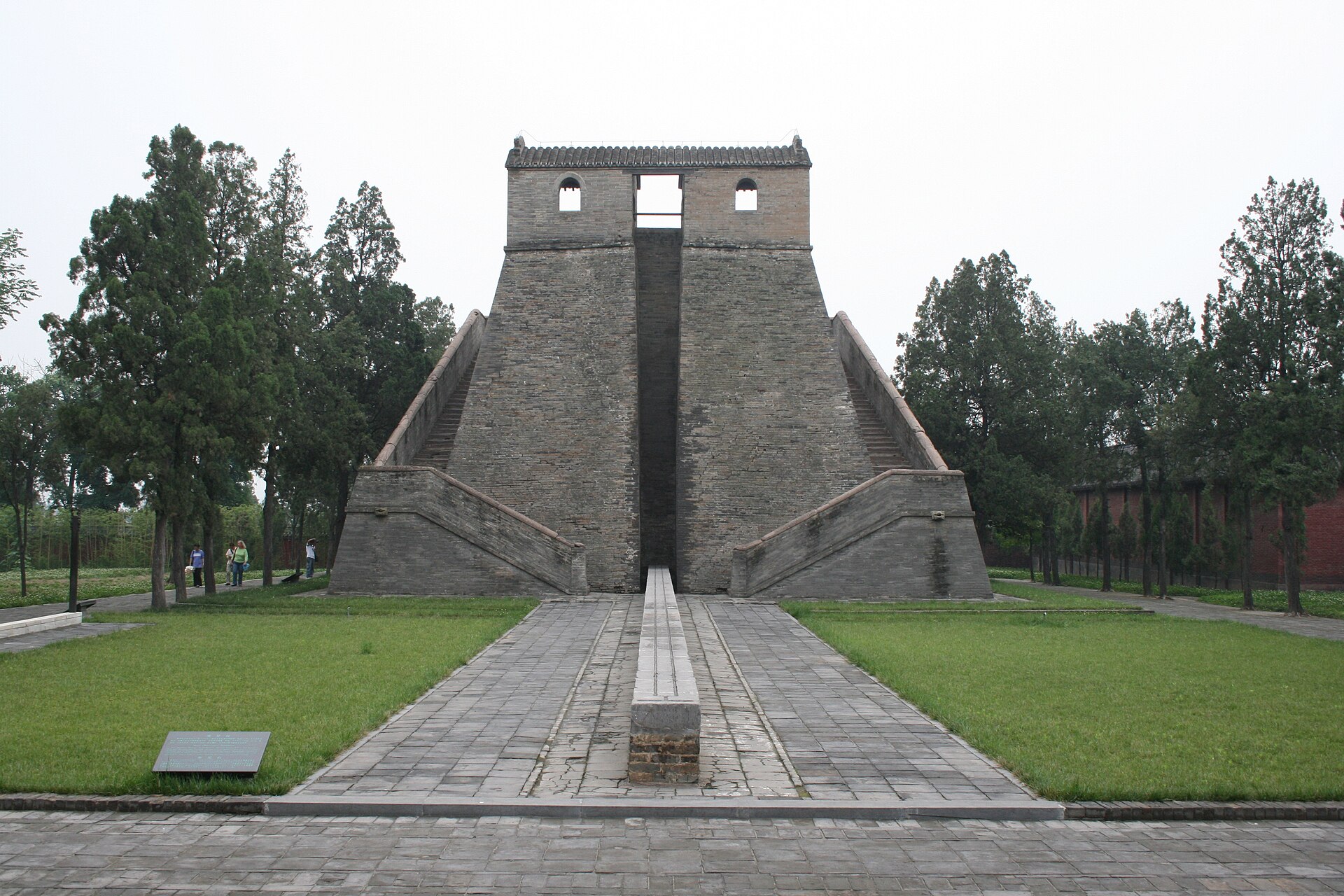
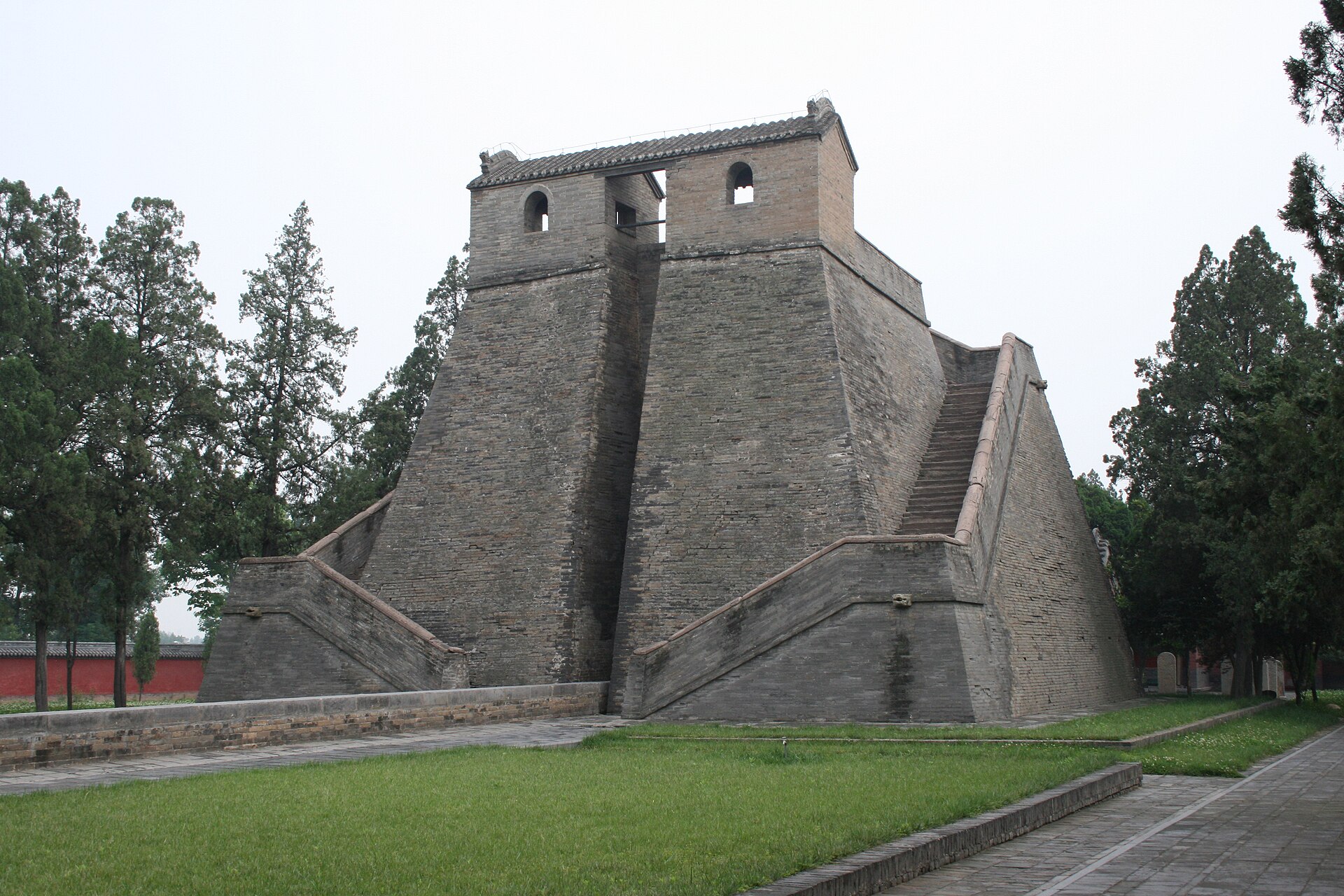
Begin with a broad view of the larger observatory, then move to a permitted side position. The two supplied 2010 photographs complement one another: the frontal image makes the long ground-level measuring element easy to see, while the oblique image shows the substantial brick body and stair relationships. They are photographs of Gaocheng itself, not a modern telescope dome standing in for the topic. They do not establish that visitors can climb the structure today. Barriers and local instructions take precedence over any apparent stairway in an old image.
Understand the shadow before trying to understand the calendar
The large observatory's body and long measuring rule formed a system for observing the Sun's shadow. A 2022 municipal account of an actual winter-solstice measurement describes the beam's shadow falling on the rule and the use of a small-aperture device to make the shadow more precisely readable. Keep that simple relationship in mind: a vertical or elevated reference, a receiving surface, a position recorded at a particular time. You do not need a technical reconstruction of the entire instrument to see why its form differs from a temple hall.
Ask the interpreter to show the specific reference point and measurement surface, then ask how the date and observation time affected the reading. A cloudless moment on your visit is not a recreation of a historical research campaign. Nor should you stare at the Sun or improvise equipment on the monument. If no shadow is visible, use the labelled diagram and the structure's geometry. An overcast visit can still explain the apparatus; a sunny photograph alone cannot establish how the calendar was calculated.
References: 8
Leave room for interpretation and a midday break
After seeing the main structure, use the available interpreted display to connect the instrument with the wider questions of time and place. Look for a clear distinction between an original structure, a replica instrument and a contemporary teaching installation. If a demonstration is offered, ask what exactly is being demonstrated and which parts reproduce historical practice. A hands-on activity may be useful without every modern component being an archaeological survival. Keep those categories clear when explaining the visit afterward.
Leave the observatory with one complete explanation you can repeat, then take a real lunch or rest break before the temple visit. Plan where that break fits with your transport arrangement. Carry water and weather-appropriate protection, and confirm toilets rather than treating the heritage photograph as a facilities map. The transition matters: arriving hungry at a long sequence of gates and courtyards encourages a hurried passage through the second site. If the morning runs late, shorten optional displays before cutting the main temple into a five-minute photo stop.
Zhongyue Temple: follow the sacred approach through the courts
At Zhongyue Temple, start by identifying the main visitor entrance and the central route on the current site map. The municipal heritage description names a sequence including Tianzhong Pavilion (天中阁), Chongsheng Gate (崇圣门), Huasan Gate (化三门), Junji Gate (峻极门) and the main Junji Hall (峻极殿). Use these as anchors, not a requirement to enter every building. Walk in the permitted direction and notice how successive thresholds frame a more distant destination before allowing you into the next court.
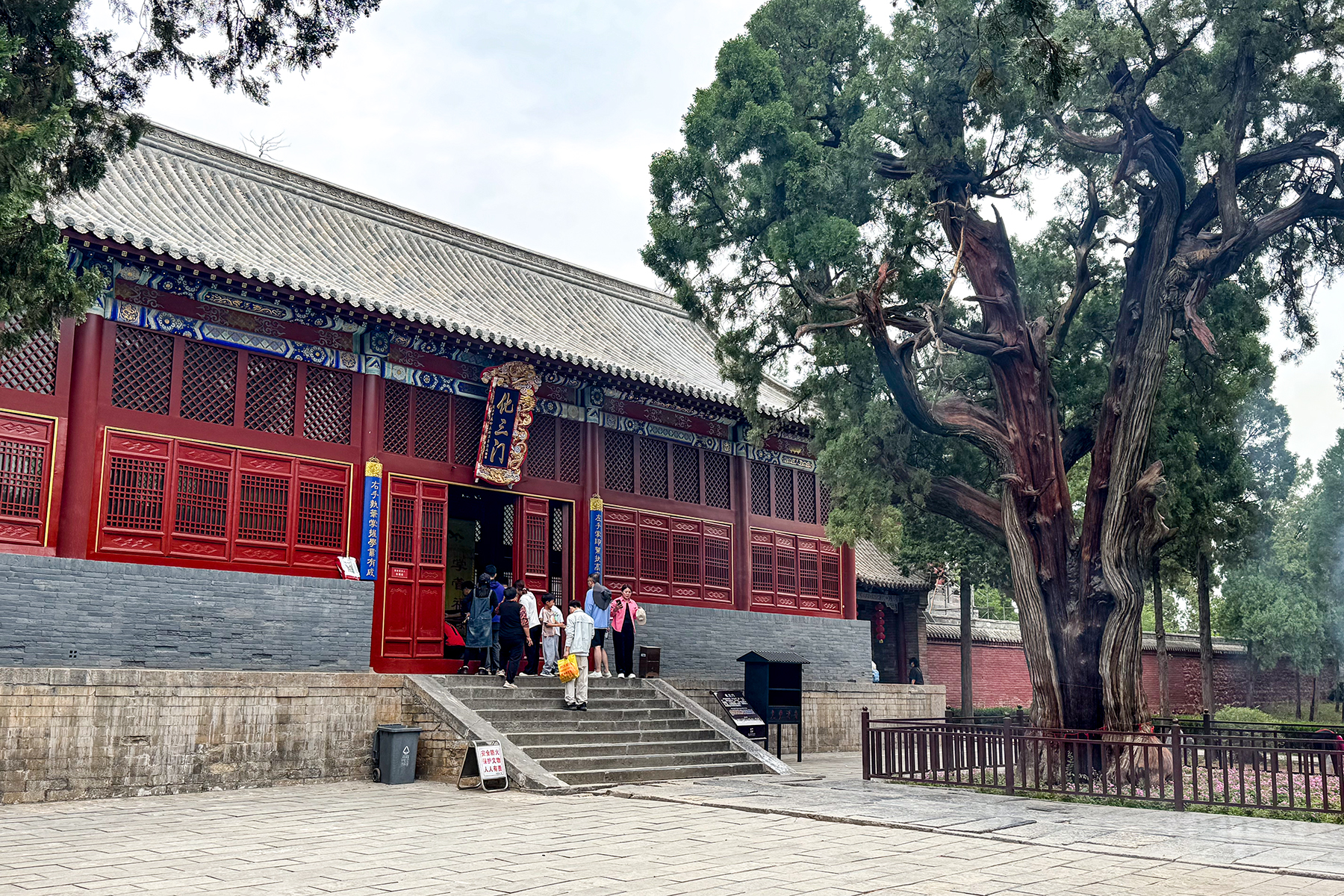
The supplied photograph shows Huasan Gate at this exact temple in June 2025. Its red timber frontage, steps and neighboring tree make the setting tangible. Look for the relationship between an individual gate and the court it helps define, then compare it with the observatory's exposed measuring form. At the temple, the significance includes religious practice and the arrangement of ceremonial movement; a nameboard, image or incense area should be interpreted in that setting rather than treated as an interchangeable decorative detail.
At the main hall, look sideways as well as ahead
When you reach the main-hall area, stop where other visitors can pass and take in the platform, approach and relationship to flanking structures. The city's culture and tourism department records that the two imperial stele pavilions stand to the east and west in front of Junji Hall. If that area is open, locate them from the current signs. They offer a concrete way to connect the central sacred building with inscriptions and patronage without inventing a function for every small pavilion along the route.
Read an inscription's identification before making claims about its author, date or original location. If conservation work blocks a side route, retain the central view and move on. Zhongyue is also a religious setting: leave worshippers room, ask before photographing a ceremony closely and follow any restrictions inside halls. A respectful architectural visit does not require participating in a ritual or copying what another tour group is doing. The aim is to understand how approach, hierarchy and use come together.
References: 11
Choose an extension only after the two core visits
If you still have time and energy, select one genuinely different extension whose access and transport have been confirmed. Songyang Academy is an education-focused component of the UNESCO series; the Songyue Temple Pagoda is another distinct subject. Consult the component map and current visitor information rather than assuming either sits immediately beside Zhongyue's exit. A mountain walk is a separate undertaking with its own route, weather and daylight needs. It is an especially poor default addition when the group has been visiting monuments all day.
For a shorter or less mobile day, keep the permitted ground-level observatory view and an appropriately shortened temple route, after asking both services about actual surfaces, steps and assistance. Finish by comparing the particular things you saw: the Gaocheng measuring arrangement and Zhongyue's sequence of named gates and courts. That is a substantial day in Dengfeng. Completing every listed component is neither necessary for understanding the pairing nor evidence that you experienced each one well.
References: 2
A two-stop planning allowance
Reserve roughly 90 minutes to two hours for the observatory and a similar block for the temple, then add the actual transport time, lunch and a margin for entry procedures. These are editorial visit allowances rather than queue or walking guarantees. If only one site is confirmed open, spend the time there properly and choose a verified alternative instead of driving to a closed component.
Questions
Is this a visit to a telescope observatory?
The focus is a historic shadow-measuring structure and its interpretation, not a promise of night-sky viewing through a modern telescope. Confirm any contemporary demonstration separately.
Can the entire UNESCO series be walked in one loop?
Treat it as dispersed components. The official map lists separate locations, including the observatory, Zhongyue area, academy and Shaolin complex. Arrange transport for the exact places you choose rather than following the inscription name as though it described one park gate.
Sources and photography
- UNESCO: Historic Monuments of Dengfeng
- UNESCO: component map and geographical data
- Dengfeng scenic-area administration: 2017 observatory public-opening notice
- Dengfeng municipal government: Observatory
- Dengfeng municipal government: Centre of Heaven and Earth explanation
- Gary Todd: Gaocheng Observatory frontal view
- Gary Todd: Gaocheng Observatory oblique view
- Dengfeng: original winter-solstice shadow-measurement report, 2022
- Dengfeng heritage introduction: Zhongyue Temple
- Windmemories: Zhongyue Temple, June 2025
- Dengfeng Culture and Tourism Bureau: stele-pavilion conservation acceptance
Photographs are credited beside each image. Their recorded capture dates describe the images; check the current visitor or product information linked above when planning.